electives_home3
electives_home3
electives_home4
electives_home4
electives_home1
electives_home1
electives_home2
electives_home2
previous arrow
next arrow

Find your healthcare placement abroad

Country profiles

We have compiled for you the most extensive information on the internet about the medical system of many countries where you can do your healthcare placement. Understand and compare medical standards around the world and be prepared for your healthcare placement abroad.

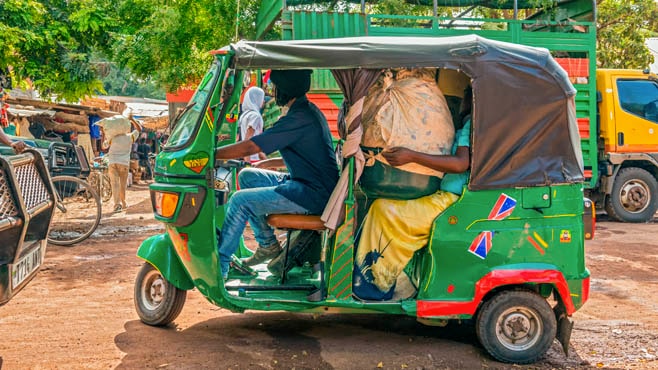
Tanzania

Tanzania is a country in East Africa bordered by Kenya, Uganda, Rwanda, the Democratic Republic of Congo, Burundi, Malawi, Zambia and Mozambique. 

Read More

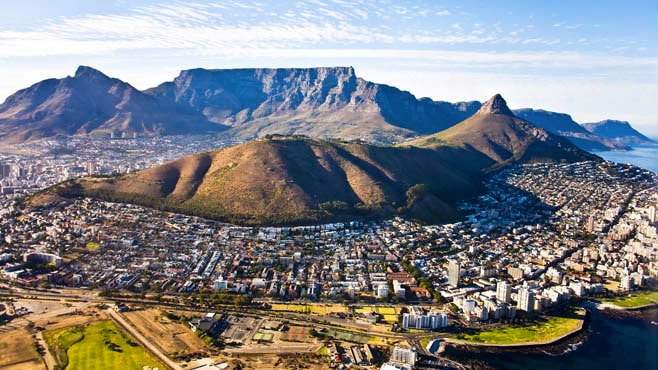
South Africa

South Africa is on the southern tip of Africa, bordered by Zimbabwe, Mozambique, Namibia, Botswana, Leshoto, Eswatini, the Atlantic and the Indian Ocean.

Read More

India

India is a country in South Asia, bordered by Pakistan, China, Nepal, Bhutan, Bangladesh, Myanmar, The Arabian Sea, Bay of Bengal and the Indian Ocean.

Read More

Why do your elective abroad?

An elective abroad can be a required or optional part of various healthcare professions’ formal training, depending on your field of study and university.

Read More…

Most popular elective placements

Slide 1

Mnazi Mmoja in Zanzibar, Tanzania

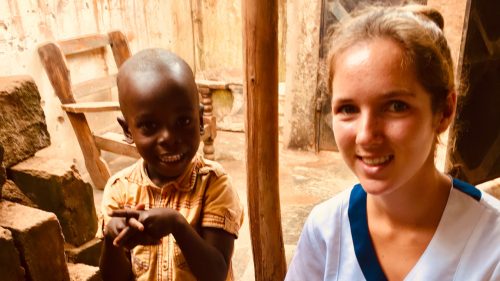
The state hospital Mnazi Mmoja and the associated Mwembeladu Maternity Hospital of Zanzibar and the Makunduchi Land Hospital in southeastern Zanzibar offer students, trainees , internships, internships in occupational therapy, physiotherapy and obstetrics...
Slide 2

Hospital internships and electives at Bugando Medical Centre in Mwanza, Tanzania

Bugando Medical Centre (BMC) is the tertiary referral hospital of the Lake Victoria Zone and Western regions, serving a population of around 13 million people.

Slide 3

Hospital internships and electives at Pasua Health Centre in Moshi, Tanzania

Pasua Health Centre is a public hospital located in the Pasua Area of Moshi Town. It typically serves Moshi residents of underprivileged social class, many of whom live close to the poverty line.

previous arrow
next arrow

Internship Reports

Read interesting reports of students who have done their healthcare placement abroad

Pia from Germany, pre-medical student:

I did my internship at the Hosiana Prinmat Clinic, a small clinic for general medicine and births on the outskirts of the city of Moshi in Tanzania. I completed my internship during the (German) summer months and had applied for a medical degree program in Germany for the following autumn. At the time of my internship I did not have a lot of previous medical knowledge, but I was keen to learn and to get more exposure to prepare for my studies. Even if I interned for only about two weeks, I had a vast learning experience at the Hosiana Prinmant Clinic.

During which semester did you do your medical internship abroad?

I did my internship before I started my medical studies. After graduating from high school, I spent an entire year doing voluntary social services, to train as a paramedic and completed various medical internships. One of them was at the Hosianna Clinic in Moshi.

Please describe why you decided to do a medical internship abroad.

I chose this internship because I wanted to combine medical experience with a stay abroad. Before traveling to Tanzania, I had already completed a part of my mandatory pre-medical nursing internship in a German hospital. After that I wanted to get to know another medical system and find out in how far the medical care and treatment methods in Tanzania differ from what I knew from Germany. One of the main reasons to study medicine for me is for me to work as a doctor with the Médecins Sans Frontières (MSF) one day. Therefore, I thought it made sense to get an insight into different medical systems on the African continent as soon as possible.

How did you come across World Unite!?

I contacted World Unite! quite spontaneously. I had actually arranged an internship in Sri Lanka through a private contact for the same period, but due to the terrorist attacks in Sri Lanka which took place in early 2019, I was unfortunately not able to carry out this internship. I ended up looking for a medical internship abroad at very short notice and came across World Unite! on the internet just a few weeks before my set internship period.

Which departments of the hospital did you work in? Did you stay in one department the whole time or rotate through multiple departments and why?

The Hosiana Primat Clinic is a small clinic and the tasks for the medical staff are not divided between different departments. Instead, the head nurse would take me wherever something was going on. There is one main treatment room that every patient is brought too. I would spend most of my time in this room to observe and to assist the local team. Depending on what type of treatment was required, a patient would be taken to other treatment rooms from there. I accompanied the patients and nurses from room to room. Once a week, the head nurse carries out house visits in the surrounding villages. She was happy to take me along and to give me an insight into the everyday life of her patients.

Describe a typical day at the clinic, including your work days, working hours and your tasks.

During my time at the Hosiana Prinmat Clinic I wrote a diary in order to better reflect and process all my experiences. I would like to share extracts from this diary here:

  • Day 1: On arrival to the clinic, I was warmly welcomed by nurse Happy. I was impressed by her warmth, friendliness and hospitality. She tried very hard to make me feel comfortable and I felt part of the team straight from the beginning. At the clinic, I have my own room where I can change my clothes and rest during my breaks and where I’m always invited to try local dishes for breakfast and lunch. “Karibu” (= “welcome” in Tanzania) is not only a word that you will hear people say here very often, they actually live it. My first day at work begins. Happy receives the patients one by one in the main treatment room. Patients rarely make appointments here. When people feel sick and can make time, they will simply come to the clinic. I sit in the treatment room with Happy and try to understand what the consultation is about by re-activating the few words I know in Kiswahili. After a bit of small talk about the medical part, Happy always tries to involve me and briefly explains what the patient has told her. Many of the patients come here because they have a diffuse, general feeling of illness. Happy will then measure the patient’s temperature, check the throat and lymph nodes and do a Malaria test. After I had observed how the Malaria test is done, I was always allowed to test the other patients, when necessary. I also took over other small tasks step by step under Happy’s supervision. I loved how much practical experience I was able to gain and to be allowed such a hands-on approach.
  • Day 2: Today, Happy taught me how to give intramuscular injections. These are injected into the buttocks and under Happy’s supervision I gave many, many their injections today. After the injection, you always apologize with “Pole” to your patient for the pain caused and the patient thanks you by saying “Asante”. In addition to getting a Malaria test or an IM, many patients come to have their blood pressure and blood sugar measured. Many mothers bring their children to have them weighed. The scale we use here is actually a meat scale and the children are put in some kind of pants and hung on the hook to weigh them. Most cry. And I’m not just getting a lot of practical exposure here! The head of the clinic is also very keen to help me improve my theoretical knowledge. Although she always emphasizes that she is not a doctor, she knows a great deal and takes a lot of time to share her knowledge and experience with me. At the end of my second day we exchanged numbers so that she can notify me in case of a childbirth at night. I would very much like to witness a birth!
  • Day 3: Today I was introduced to the topic of “family planning”. This is a very important topic for the Hosiana Prinmat Clinic and a difficult topic for many Tanzanians in general. Often, men do not want to use contraception at all and omit using condoms. This is why women often try to use contraception secretly and have a birth control implant. At the Hosiana Clinic, a lot of educational work is done about family planning and contraception. I was already quite familiar with the information provided to the patients, but it was very interesting to get insights into how family planning, sexuality, contraception, pregnancy and so on are seen in the Tanzanian society. In Tanzania, HIV plays a very important role during pregnancy. Women are encouraged to test their HIV status in the early stages of their pregnancy. If she tests positive, she will be given medication during pregnancy and while she’s breastfeeding to prevent the infection of the child.
  • Day 4: Now I have already seen some standard treatments and know roughly which therapies and medications are used for the various clinical pictures. Compared to Germany, one can say that painkillers are clearly used less frequently here. Antibiotics are therefore given to patients all the more frequently. However, it must be considered that the patients come to the Hosiana Prinmat Clinic comparatively later and with more serious illnesses compared to what I’m used to from Germany.
  • Day 5: I’ve noticed that the attitude towards work is really different here. There are always longer breaks when no patient is coming. But nobody gets impatient or bored here. When a patient comes, they are greeted joyfully and immediately have the staff’s full attention. Even if there is a small queue, neither the nurses nor the patients get impatient or stressed out. During my first days at the clinic I assisted with carrying out two pregnancy tests. The head nurse ordered the tests to be made to rule out pregnancy as the reason for the visit was stomach ache. Both tests were negative. I was shocked by the fact that a pregnancy test was suggested by the head nurse as one of the patients was a maybe ten-year-old girl who came to the clinic with her mother. Did the head nurse suspect that the girl might have had sexual intercourse at such an early age or worse – was she worried that the girl might’ve been raped?
  • Day 6: Today, even if it is Saturday, is a normal work day at the clinic and the patients come as usual. So far, the patients at the clinic have mainly been babies, toddlers, women and elderly people and I was beginning to think that young men just don’t get sick here. Today I started to understand that especially young men don’t have time to get sick during the week and go to work no matter how sick they feel. On Saturday, some will make time to come to the clinic to get their advanced infections and diseases treated. I could tell that all of them felt very uncomfortable to be in need of medical treatment. During the treatments, however, they tried to maintain their tough facade and did not even bat an eyelid when we disinfected and infected wound with very sharp disinfectant.
  • Day 7: I’m learning so much from the way the staff at the Hosiana Clinic treat their patients and definitely want to adapt my own ways of dealing with patients to this once I am a doctor. Every patient is taken seriously and treated in a respectful way and with enough time. In addition, patients will also speak to their doctors about private matters which creates a warm and trustful relationship here in the clinic. I cannot discover a single sign of impatience here, no matter how stressful a work day at the clinic is. Neither on the nurse’s side nor on the patient’s side.
  • Day 8: Today we had the very first emergency case since I started my internship! All of a sudden, a young man stood in the doorway, his arm covered in blood and a slightly shocked expression on his face. He had a very deep, about 10 cm long cut on the arm that had to be sewn. While sewing I was allowed to assist and hand over the necessary things to Happy and cut the threads. Since the needle was very blunt, the sewing looked very painful despite local anesthesia. In total, she sewed the wound with seven stitches and then treated it with antibiotic powder and bromide swabs as usual. Happy actually wanted to prescribe the man antibiotics, but he refused. Maybe he wanted / had to save the money?
  • Day 9: Today, a little body was admitted who had to stay for the morning. When admitted, he was feverish with his temperature being at around 38,8°C. He was treated with acetaminophen to lower it. When the boy’s temperature even rose sometime later, instead of falling as we had hoped, he was quickly put into a cold batch. Sometime later we measured his temperature again and luckily the fever had already dropped. I rather believe that the acetaminophen just took a little longer to show its effects and the cold-water bath didn’t help much. Moreover, we took the contraceptive implant out of a woman’s upper arm today which I found quite exciting. Maybe she decided that now is the right time to have children. The woman looked at the implant with astonishment.
  • Day 10: Today we had a patient whose HIV test was positive. I was wondering how the staff at the clinic would handle the test result and what they would say to comfort the patient. But the team couldn’t do anything more than say “Pole” (“sorry”) to the patient. Did they assume that there wasn’t enough money for therapy anyway?
  • Day 11: Today was my last day at the Hosiana Prinmat Clinic! I was pretty excited to see what my last day here would bring, because I still had a few pending tasks on my list: I wanted to visit a former patient, hand out a few farewell gifts to the clinic staff and children in the neighborhood, and last but not least talk to the head nurse about my idea of collecting funds for patients who cannot afford treatment. Later that day I would begin to understand even more how much money for medical treatments is needed here: To get an idea of what families in the neighborhood lack health-wise, the head nurse of the clinic accompanied me to the village and introduced me to some families. I got to know some dramatic fates today. In the first family we visited, the mother had died of AIDS. Two of the four children were tested HIV positive. Together with their stepfather, they lived in a small hut and were so happy about my visit! The little boy hugged me straight away, jumped onto me and wanted to be carried. It was hard for me to see the little boy being so happy and full of joy, knowing that he was seriously ill. The next family we visited was a grandmother who raises her grandson. The grandson’s father has been in prison for a long time and the boy’s mother had disappeared. The boy and his grandmother live in great poverty as there is no real pension system in Tanzania. The next family were a father and his little daughter. The child’s mother died when the girl was only five months old and is now raised by the single father. The father invited us to take a seat in front of his house where we waited for his son to arrive who was still outside playing. While we waited, a young boy approached. He had two disabled legs and to move forward, had to crawl on the floor and pulled forward with his hands. He must’ve seen me somewhere from a distance and even crossed a dirty little creek to come over. I later learned that his legs had to be amputated below his knees after a fall. He also had a disabled arm, breathing problems and a mental disability. But he was very happy to sit on the floor next to me and smiled widely the whole time. The encounters described here were the most touching ones from my village visit. But I was shown a lot more and was introduced to an infinite number of people who all greeted me very warmly and were excited to hear what I was here for. Back at the Hosiana Prinmat Clinic, I spent a while in the treatment room and prepared myself to say goodbye! I really hope that I will see the team at the Hosiana Clinic again someday. I would very much like to come back during my studies and after I have learned a little Swahili!

What did you learn during your elective abroad?

I learned a lot of practical things during my internship, i.e. how to do malaria rapid tests, HIV rapid tests and pregnancy tests, to give intramuscular injections and listen to breathing sounds. I can now weigh children according to Tanzanian habits and enter the examination results accordingly into the child’s mother-child-pass. I had already learned how to measure blood pressure and blood sugar and how to treat small wounds during my training as a paramedic, but thanks to my time at the Hosiana Prinmat Clinic, I got a lot of practice doing these things and became more confident in dealing with patients.

I also gained a lot of theoretical knowledge as the director of the clinic tried very hard to give me the greatest possible insight into health care in Tanzania. For instance she explained the most common diseases in Tanzania to me. These include diseases of the upper and lower respiratory tract, various infections, worms, skin diseases such as fungus, bronchitis, asthma, cholera and a few more. Most of the diseases can be traced back to poor hygiene conditions and are very different from the most common diseases of Europeans. For example, back pain in Europe is one of the most common reasons to see a doctor. I was explained in detail how the diseases arise and how you can recognize them. Antibiotics are the most common treatment.

What cultural differences have you observed between the medical systems / treatments / doctor-patient relationships etc. in your host country and your home country?

In Tanzania, patients are treated very differently than I am used to from Germany. And I definitely want to use the Tanzanian way of patient contact as a role model for my own future way of doctor-patient communication. Every patient is taken seriously and treated respectfully, warmly and with enough time. I was given the impression that the health of the patients really matters to the doctors. I would also like to convey this feeling to my future patients. I also think it’s nice that Tanzanians also talks about private matters with their doctor. This creates a completely different relationship of trust than I am used to from Germany. I also think it’s very important that there is simply no impatience here. Neither on the patient’s side when waiting for treatment, nor on the nurse’s side when they are waiting for patients. Without this subliminal feeling of impatience, the working atmosphere can be improved immensely! Furthermore, I would like to take with me that in Tanzania a newly incoming patient is perceived as a burden – whether shortly before work ends or during breakfast break, which I have observed differently in Germany.

How did you spend your free time in Tanzania?

During my time in Tanzania I also experienced a lot outside of the Hosiana Prinmat Clinic! I visited the Hot Springs with a group of young Tanzanian people and other foreign volunteers. We bathed, swung across the water with a trapeze and played football together. It was an amazing day and the whole trip turned into a real party!

Then I did a sunset tour. A little bus drove us onto the top of a small hill surrounded by fields just outside of Moshi. I have rarely seen such a beautiful sunset!

One evening I went to a Karaoke Bar with fellow volunteers and to a club afterwards. I am not the best singer at all, but I also like to laugh about myself a lot, so we were really having a blast.

One weekend, I did a trip to the Usambara Mountains which was by far my favorite leisure experience in Tanzania. We took a bus to the village of Korogwe which is located at the foot of the mountains. From there we continued by Boda-Boda, a motorbike taxi, which took us a dirt road up the mountains for about half an hour. Our final destination was the Lutindi Mental Hospital. The hospital is also a partner of World Unite! and volunteers can rent a guest room at this beautifully located hospital and enjoy the quiet mountain area and nature for a weekend. I got to see one of the most magical sunrises ever here for which getting up very early was more than worth it! We did a 23 km hike through Tanzania’s stunning nature and impressive landscapes. Along our way we had many nice encounters with locals and communicating with our rudimentary Kiswahili skills worked surprisingly well.


Pia completed her elective abroad with World Unite!, a specialist provider for electives, internships and volunteering in medicine, nursing, therapies and midwifery. Click here to read more about their hospital options in Moshi, Tanzania and learn how to apply for your own elective abroad!


Andreas from Germany, Medical Student:

From October 5th, 2019 to February 1st, 2020, I completed a four-month stay abroad in Tanzania. World Unite! supported me with the organization of my stay, as well as with accommodation and a language course. World Unite! was also there when it came to organizing leisure activities and trips through the country.

World Unite! arranged my elective at a hospital in Mwanza, in the north-east of Tanzania. I arrived a week before the elective officially started, got picked up from the airport and brought to my accommodation. For the time of my elective I lived in the “Serengeti Guest House” near the hospital. I had Witness, as a coordinator and contact person on site, whom I would particularly like to praise here. She showed me the city on my first days, explained a lot about the culture and the people in Tanzania and taught Swahili through a language course. I am very grateful to her for her commitment, which made my transition into this new situation easy.

I completed my elective from October 14th until December 8th 2019 at Bugando Medical Center. The circumstances on site cannot be compared with the standards that I knew from Germany, but that was precisely why the time there was an important experience for me and taught me many new lessons – both medically and above all socially.

I completed a total of 5 weeks in surgery and spent 3 weeks in internal medicine. Although you are legally not allowed to do a lot of practical work yourself, you still learn a lot about diseases that rarely occur in Germany, such as malaria, schistosomiasis, HIV / AIDS and tuberculosis. You don’t only get to know another health care system, but you also learn to appreciate your own significantly more. The fates of some of the patients can sometimes be very moving and unfortunately, you cannot help all, as only a small proportion of patients are lucky to have health insurance.

I was part at the ward rounds, meetings and trainings. The tasks in the OR were often limited to holding hooks or smaller wound sutures. At the ward I was able to carry out minor medical activities such as taking blood samples, placing catheters, etc. The classic physical examination plays an important role in Tanzania, due to often lacking diagnostic equipment. They are very well trained in this and you can learn a lot from the doctors. Especially at the internal medicine ward, I was heavily involved in the therapy planning and was able to interpret findings (EKGs, heart echos, chest X-ray, etc.).

For me, the elective was very valuable because it allowed an insight into a different health system, a different culture and the department of tropical medicine.

After my elective, I traveled for two months. World Unite! was also able to help me here. A Safari and tours to Mount Meru and Mount Kilimanjaro were able to organize with Budget Safari. Here I would like to praise Adelina in particular, who coordinated all the participants’ activities reliably and was always available. I would also like to mention Ferdinand and his team, who enabled me to be part of breathtaking mountain tours. Tanzania offers such a very broad variety of experiences. You have the magnificent wildlife and beautiful mountains but also fantastic sandy beaches on Zanzibar.

The Tanzanians have a distinctly different culture to us Germans. Everything is a little more relaxed and a little slower (“polepole”) and often things simply take more time than we are used to. Nevertheless, people are very warm and hospitable when you open yourself to their culture. My time in Tanzania was an enormous personal enrichment and broadened my horizon immensely.

I can recommend a stay in Tanzania to everyone who wants to gain a different view on the world. The country and people are so interesting and I appreciate my time in Mwanza. World Unite! proofed to be a reliable organization at all times. I had a dedicated contact person throughout my stay, both during my time in Mwanza and afterwards while traveling. Particularly during these early days, I was very happy to know locals who showed me around and helped me organize so many things.

Kind regards,

Andreas


Andreas arranged his medical elective through World Unite!, a specialist provider for medical electives and internships in nursing, therapies and midwifery in Africa, Asia and Latin America. Click here to read more about Andreas’ placement and learn how to apply for your own elective in Tanzania.

Josie and Lara from Germany (medical students):

We traveled to Zanzibar and lived in a host family together were everyone treated us like a part of the family straight from the beginning.

We worked at the local hospital “Mnazi Mmoja Hospital Zanzibar”, the state hospital of the island. We were first placed in the oncology department and afterwards in pediatrics. All doctors, nurses and other staff treated us in a very friendly and open way. For us it was particularly exciting to make out the differences to the German health system. Often, less or very simple means are available compared to the ones we know from home, e.g. there were no tourniquets available for blood sampeling. Instead, the doctors used the rubber band from their rubber gloves.

At the end of our internship, we donated our gloves, disinfectants and work clothes tot he hospital, which they were very happy about.

We stayed in Stone Town for 5 weeks, the historic center of Zanzibar Town – the perfect base to go on excursions all over the island. World Unite! was very helpful and always assisted us with the arrangements of our trips and excursions. We can recommend the Safari Blue, the Spice Tour and a paddle tour. We also loved strolling along the beach and to explore the many narrow streets and small shops in Stone Town.

In the weekly meetings with our local coordinators we were able to discuss anything we needed assistance with and were always helped immediately. Also, the meetings allowed us to meet other World Unite! participants who worked in other projects in Zanzibar Town.

Our host family also helped us to get to know the culture, country, people and culinary delights. We were very grateful for that! A change for us was that in Zanzibar many things sometimes take a little longer than we are used to from home. Hustle and bustle does not seem to be common here. Always pole pole!

On of the best parts of our trip was a two day safari in Tanzania.

One can hardly put this journey into words and we highly recommend making this experience yourself!

Many thanks to the team of World Unite! It was an unforgettable time!

Best regards,

Josie and Lara


Josie and Lara arranged their medical elective through World Unite!, a specialist provider for medical electives and internships in nursing, therapies and midwifery in Africa, Asia and Latin America. Click here to read more about Josie’s and Lara’s placement and learn how to apply for your own elective in Zanzibar.

Angieszka from Poland (pre-medical student):

My pre-medical internship in Tangier was a great experience. I would especially like to thank the nurse anesthetists and the Director of the clinic who were very kind to me and had a great sense of humor. Through their pedagogical approach I had the opportunity to gain lots of interesting learning experiences. Many of the doctors have studied in France and generally speaking, I got along very well with all of the staff at the clinic. They were always there to answer my questions.

Furthermore, I really liked the fact that I was able to rotate through various departments of the clinic. I shadowed the doctors and nurses in the surgery theatre as well as in the maternity ward, which allowed me to see things that I had never witnessed before, such as a caesarean section or circumcision, just to name a few. Overall, I highly recommend this placement to all future students of nursing or medicine and I hope to return to Morocco for my elective placement one day.

Finally, I would like to thank my local coordinators for providing me with lots of information prior to my arrival to Tangier, which I found very useful. I was very grateful for the support that I got on-site, including a very good introduction to the city of Tangier as well as to my placement. The local team was always there to answer any of my questions and I generally feel that they did a very good job as coordinators.

Thank you once again!

Agnieszka


Agnieszka arranged her pre-medical internship through World Unite!, a specialist provider for medical electives and internships in nursing, therapies and midwifery in Africa, Asia and Latin America. Click here to read more about Agnieszka’s placement and learn how to apply for your own elective in Morocco.

Elvin from Hong Kong, Dentistry Student:

What type of internship did you do, when and for how long?

In Hong Kong, as part of the 6 years curriculum we are required to obtain 6 units of exchange program. Which is equivalent to 2 weeks of dentistry related internship in another country but on one occasion the maximum amount of credit given is 3 units. For our internship program in Arusha we stayed for 1 week in the hospital for both hands on dental treatments and observation under the guidance of the dental team there. Even though our elective within the hospital is officially just 1 week long we stayed for an extra week in Tanzania and Zanzibar to experience the culture there.

During which year of your studies did you complete your internship abroad?

I completed my dental elective during 4th year of my dental studies.

Please describe why you decided to do your internship abroad.

I have always wanted to experience dentistry from a different perspective and being able to go to Africa and perform dental work there has always been in my bucket list. Previously, there were also seniors that have been through the same program and their positive feedback about their experience has affirmed my decision to do a dental internship in Africa. A lot of seniors have described the trip as a once in a lifetime experience and it will be something they will not forget about. Furthermore, I believe I can gain a lot of dental insight from this trip. Through we were very troubled at first by the the vast mount of things we will have to organise for this trip but World Unite has taken a lot of the burden off our shoulder.

How did you come across World Unite?

During previous years my dental senior told me they went to Africa for their dental elective and when I asked about the organisation they got in touch with they introduced me to World Unite. We then asked other seniors about it and found out that a few year groups before us have been in contact with World Unite too and every year there were dental students from our hospital going on elective through World Unite again. A group of friends and I also thought it was a good idea to organise such internship through a well recognised and reputable organisation so we decided to go with World Unite as well.

Which departments of the hospital did you work in? Did you stay in one department or rotate through multiple departments and why?

In Mount Meru Hospital there was only one Dental apartment which handled all sorts of dental cases. These include paediatric, endodontic, prosthodontics, oral and maxillofacial surgery, operative, periodontic and oral medicine. Even though we had the chance to visit all the different apartments and medical wards, we mainly operated within the dental apartment. However, for more serious dental/facial reconstruction work related to dental surgery they had an operating theatre for those kind of treatments. Also there was a room where the dental technician will work in. In there is where he will take impressions of the patient’s mouth and fabricate dentures for them. In comparison to other departments within the hospital the dental department seems to be relatively small.

Describe a typical day at the hospital, including your work days, working hours and your tasks.

On a typical day we will have to wake at around 7:30am to have breakfast and be ready to leave and head to the hospital at 8am. After 15 minutes of walking time we will need to catch the local transport (dala dala) for around 20 minutes followed by another 10 minutes walk to arrive at the hospital. After reporting to the dental staffs there we will change into our clinical uniforms that we brought from Hong Kong and prepare ourselves for the day’s work. Before we perform dental treatments on patients the supervising doctor will usually share some of his dental experience or previous cases which he finds interesting to us until patients start to line up in front of the door at around 9am. For the first time there we didn’t start work immediately but instead we had a tour of the whole hospital and basically gone through all the drawers and equipment they had within the dental department to familiarise ourselves with our working environment. After the first day we proceeded to start our day as the patients come in. Depending on the difficulty of the dental procedure, the doctor will ask if anyone wants to do the treatment. For more difficult treatments the doctor will usually still ask if any of use had the confidence to take on the challenge. Most of the time my colleagues and I will take turns doing simple extractions and restorations until lunch time which is usually around 12pm. For the one hour lunch break we will go out to the local restaurants and eat, there are a lot restaurants nearby so it doesn’t take a lot of time for us to get there. Coming back from the lunch break at 1pm we will carry on with similar tasks in the afternoon. Occasionally we will be asked to observe some interesting cases and go visit the wards with the doctors. This usually the case for patients who had severe facial trauma and will require to rest in the hospital bed. When there are not much patients coming in for dental treatment we will go observe the dental technician and see how he manufacture dental prostheses. Throughout the day we are free to ask any questions we like and when we need help the doctors are always there to lend a hand. The working atmosphere is actually really friendly and free, we can request to see things or do anything as long as the doctor agrees. The day should end at around 4pm and then we will get changed and leave the hospital.

Describe a situation that surprised you or that seemed special to you during the internship.

The most surprising thing to me during my visit is how appreciative the locals are. During one of my first extraction procedures in Africa I was asked to extract a molar tooth. The patient had really long and strong tooth roots and the extraction didn’t go according to plan as I have fractured the crown of the tooth from the root. Which leaves the root still being embedded in the bone and took extra effort to pull out even with the help from the doctors there. However during the whole procedure the patient was extremely cooperative and afterwards he was gesturing to me that I did a great job and even asked to have a photo taken with me. That was one of the most heartfelt moment of my trip to Africa.

What did you learn during your internship abroad?

My experience in Africa has made me realised how lucky I am to be living in a developed city. Many of the essentials that we usually take for granted back in Hong Kong such as clean water for drinking, hot water for shower, and a sophisticated medical system are not always accessible to those in Arusha. Throughout the trip we were all extremely cautious to avoid any potential health hazards. The water we dared to drink from were always bottled, we continuously used hand sanitisers applied mosquito repellents. However at the same time the thought that all the local citizens here will not even have the luxury to be cautious made me truly realise that we do in fact come from two different worlds. Many do not have the financial resources to take the necessary precautions that we do, for instance during oral examinations the dentist at the hospitals did not use gloves as it was only saved for dental treatments such as extraction. Even though I may never be able to apprehend their way of life but my experience in Africa made me feel that I have breached some distance between our two worlds.

Which cultural differences did you observe between the medical systems / treatments / doctor-patient relation etc. in your host country and your home country?

During my time in Mount Meru Hospital I have noticed the difference in their dental equipments and procedures compared to Hong Kong. In Africa the importance of dental treatment is outweighed by more life threatening medical procedures hence not a lot of resources are allocated for dental procedures. The dental department in the Mount Meru hospital had a total of three dental chairs, two of which were out of order for more than half a year. Where in Hong Kong we have around 200 or so dental chairs. Periapical radiograph and Bitewings were available within the department but after processing there were always many artefacts on the films. The hospital only had one functioning suction machine so some patients had to spit out the water themselves. All of these equipments were taken for granted when we were back home. In Arusha usually an OPG are taken only in special cases and must be referred to venues outside the hospital to be taken but back in the education hospital in Hong Kong almost every single patient will have an OPG radiograph taken for screening purpose. Here in Arusha, a lot of the times extractions are performed without any radiographs which is unheard of back at home. Things like sensibility tests such as EPT and cold tests were never used in Mount Meru Hospital and endodontic procedures are to some extent simplified and they do not have access to an apex locators.

How did you spend your free time abroad? Did you get to know other interns at the hospital with whom you did activities? Did you go on trips? If yes, what did you do and where?

For our free time we went on a 3 days safari trip to see the wild life in the national parks there and also went on a trip to a local island called Zanzibar where the food is amazing, accompanied by their famous beaches and sunsets.


Elvin completed his dentistry internship with World Unite!, a specialist provider for electives, internships and volunteering in medicine, nursing, therapies and midwifery. Click here to read more about their hospital options in Arusha, Tanzania, and learn how to apply for your own elective abroad!


Sarah from Canada (medical student):

I had an amazing time in Moshi, Tanzania doing a medical elective at the Pasua Health Care Center! The staff were very welcoming and kind. On this placement, we were able to decide what we wanted to do every day to make sure we had a full experience based on our interests. We worked in the inpatient unit, outpatient unit, labour and delivery unit, laboratory, family planning clinic, and more. The staff being always happy to have our help was always explaining to us how and why they made their care decisions. It was very eye-opening experience to see that even with fewer resources they are able to care for these patients as they deserve to be treated. My only recommendation I would be to know some Swahili before coming to this beautiful country, as it will enrich your experience working with the patients. Luckily, the staff do speak English!

Moshi is a beautiful city to explore. It is easy to walk around and access everything. They have great coffee shops (we actually ended up going to the same one every day as their coffee was so good)! During our stay, many were celebrating Ramadan, which allowed us the opportunity to be introduced to the food and culture. We were even invited to prepare food with the locals, which was a wonderful experience.

To finish, World Unite! is a great organization! They were well organized and always available to answer our questions. Everyone was so nice in Moshi and very welcoming! We went on a day trip to the hot springs and on a weekend trip to the safari, all organized by World Unite! It was absolutely amazing! It’s very easy to plan and you have nothing to worry about.

Honestly, it was my first time visiting an African country and it was an experience of a lifetime that I will remember forever! If I could use three descriptors for my trip, they would be eye opening, amazing, and outside my comfort zone. As a last recommendation, I suggest you visit Zanzibar for a weekend, the beach is FANTASTIC!

Enjoy!


Sarah arranged her medical elective through World Unite!, a specialist provider for medical electives and internships in nursing, therapies and midwifery in Africa, Asia and Latin America. Click here to read more about Sarah’s placement and learn how to apply for your own elective in Tanzania.